

Technical work earns support when stakeholders understand what changed, why it matters, what risk remains, and what decision is needed. Clear communication does not remove important detail; it organizes detail around the audience’s responsibilities.
Lead with the outcome
Begin with the service, customer, cost, security, compliance, or delivery impact. Then explain the technical cause only to the depth needed for the decision. A useful update answers: what happened, who is affected, what has been done, what remains uncertain, and what happens next.
Adapt to the audience
| Audience | Primary concern | Useful evidence |
|---|---|---|
| Executive | Impact, risk, cost, timing | Trend, exposure, options, recommendation |
| Product owner | Customer effect and delivery | Affected journeys, priority, release plan |
| Operations | Reliability and support load | Symptoms, runbook, monitoring, ownership |
| Engineering | Cause and implementation | Logs, architecture, tests, dependencies |
| Security or compliance | Exposure and control effectiveness | Scope, timeline, evidence, remediation |
Use a decision-ready structure
- State the outcome or problem in one sentence.
- Quantify impact and urgency where evidence exists.
- Explain the cause in plain language.
- Present realistic options and tradeoffs.
- Recommend one option and explain why.
- Ask for a specific decision, owner, or deadline.
Translate jargon into consequences
Instead of saying a queue is saturated, explain that requests are waiting longer and may breach the response target. Instead of describing a certificate chain error, explain that trusted connections will fail after a specific date unless the dependency is replaced.
Communicate uncertainty honestly
Separate confirmed facts, working hypotheses, and unknowns. Give the next verification step and a time for the following update. False certainty damages trust; bounded uncertainty with a clear investigation plan builds it.
Make progress visible
- Use before-and-after metrics.
- Show milestones, dependencies, and blockers.
- Link technical evidence without putting all of it in the main message.
- State risks that were reduced and risks that remain.
- Record decisions and owners after meetings.
A concise status format
Use five lines when speed matters: current status, business impact, completed actions, remaining risk, and next decision or checkpoint. Keep the same structure across updates so readers can compare change over time.
Clear technical communication is an engineering skill. It reduces rework, speeds approvals, improves incident response, and helps stakeholders evaluate tradeoffs without pretending every audience needs the same depth.
Join the discussion
0 CommentsAsk questions, add context, or share what worked.
More from Melochip Editorial

Learn what Playwright testing is, why modern QA teams use it, how testers can get started, and the major types...
7 min read · Sep 19, 2026

Learn how Kubernetes Deployments and ReplicaSets work with practical YAML, scaling, self-healing, rolling upda...
7 min read · Sep 17, 2026

Learn Kubernetes security best practices with RBAC, Secrets, ServiceAccounts, Pod securityContext, NetworkPoli...
6 min read · Sep 17, 2026Related articles
Learn how Kubernetes Deployments and ReplicaSets work with practical YAML, scaling, self-healing, rolling upda...
7 min read · Sep 17, 2026

Learn Kubernetes monitoring and logs with kubectl logs, events, metrics-server, top commands, Prometheus, Graf...
5 min read · Sep 17, 2026
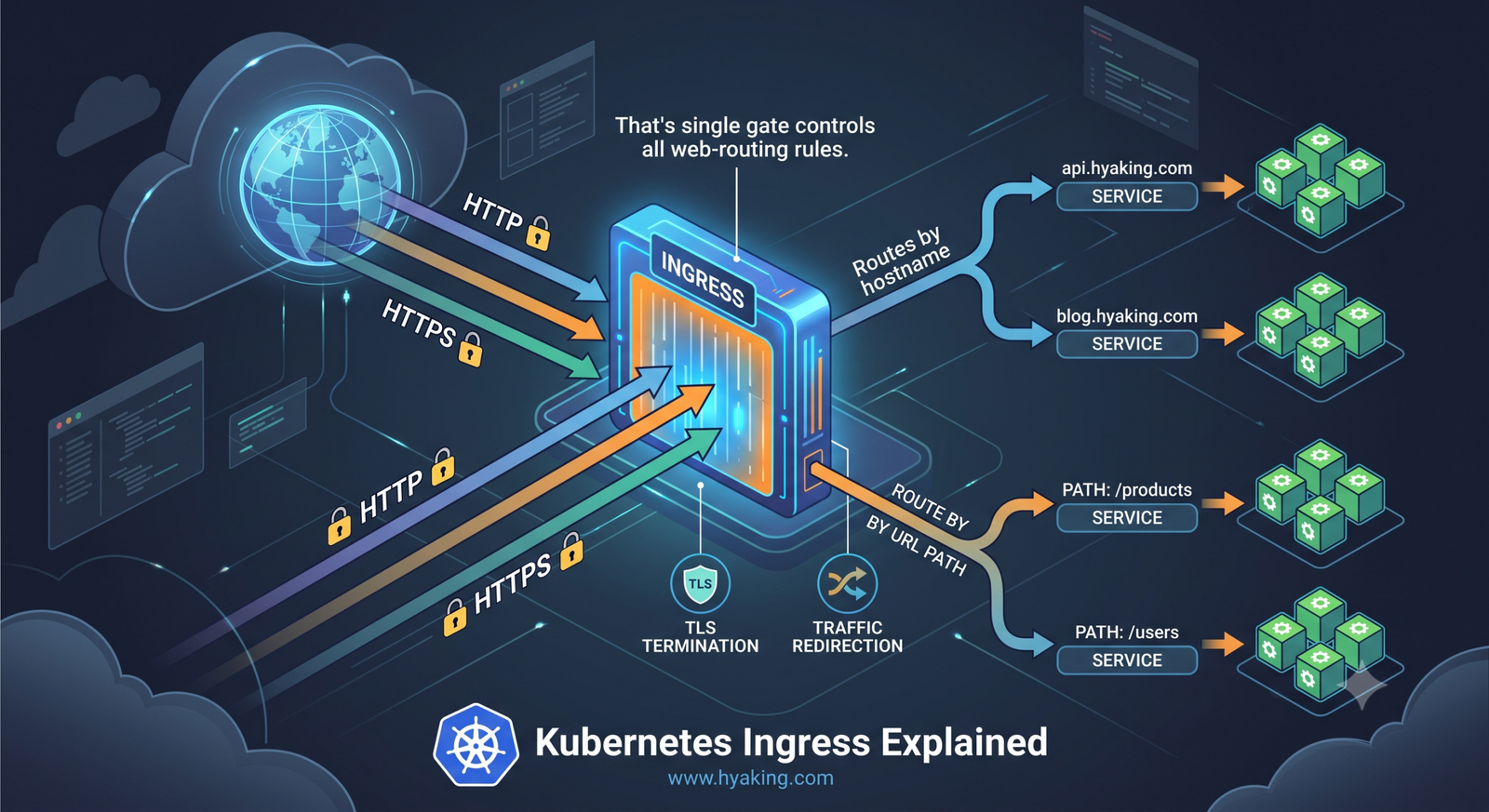
Learn Kubernetes Ingress with controllers, IngressClass, host and path routing, TLS, DNS, annotations, redirec...
8 min read · Sep 17, 2026
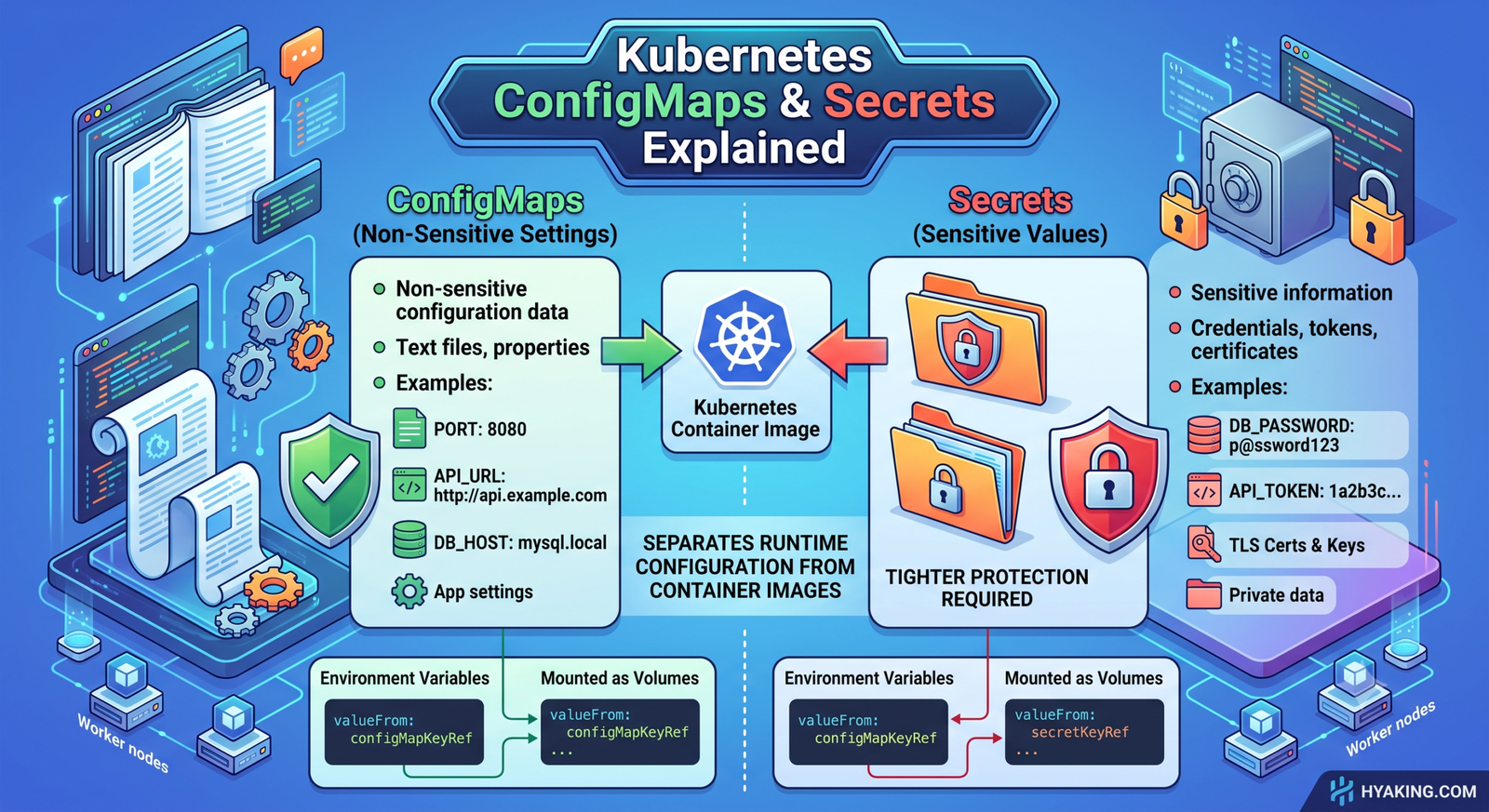
Learn Kubernetes ConfigMaps and Secrets with YAML, environment variables, file mounts, update behavior, immuta...
8 min read · Sep 17, 2026Stay in the loop. Get new Melochip articles
Receive Melochip article updates when new articles are available. Explicit opt-in only.
No comments yet. Start the discussion.