

Security scanning in CI/CD can identify risky code patterns, vulnerable dependencies, exposed credentials, and container-image findings before release. Scanners improve visibility, but they require coverage, tuning, ownership, and remediation workflows to produce real risk reduction.
Four complementary scan types
| Scan | Inspects | Typical limitation |
|---|---|---|
| SAST | Application source and data flows | Language and framework coverage |
| Dependency scanning | Declared packages and lock files | Incomplete or stale inventory |
| Secret detection | Credential-like patterns in repository content | False positives and already-exposed history |
| Container scanning | Operating-system and packaged image components | Database freshness and unreachable code context |
Place scans where they provide feedback
Fast checks belong early in merge-request pipelines. Deeper scans can run before release or on schedules. Scan the final built image, not only the source repository, because base-image and packaging changes can introduce different components.
Protect security reports
Findings may reveal vulnerable paths, package versions, or accidentally committed credentials. Limit report access, set retention deliberately, redact secrets, and avoid publishing raw scanner output as broadly downloadable artifacts.
Triage and policy
- Confirm the finding and affected component.
- Assess exploitability, exposure, and business impact.
- Assign a clear owner and remediation date.
- Fix, mitigate, or record a time-bound exception.
- Retest after the change.
- Track recurrence and root cause.
Avoid fragile gates
A blanket failure on every finding can encourage teams to disable scans. Define severity, confidence, exposure, and exception rules that match risk. New critical issues may block immediately, while existing debt follows a measured remediation plan.
Secret findings require incident handling
- Revoke the credential before removing it from code.
- Search logs, artifacts, caches, and forks for exposure.
- Rotate dependent secrets and sessions.
- Investigate use during the exposure window.
- Prevent recurrence with pre-commit and CI detection.
- Do not assume history rewriting makes a leaked credential safe.
Improve coverage over time
Measure supported languages, scanned repositories, skipped jobs, report freshness, remediation time, exception age, and recurrence. Keep analyzers and vulnerability data current, and test that scan failures are visible rather than silently ignored.
The strongest program combines automated detection with secure defaults, dependency governance, code review, runtime controls, and accountable remediation. CI findings are signals in a broader software-supply-chain process.
Join the discussion
0 CommentsAsk questions, add context, or share what worked.
More from Melochip Editorial
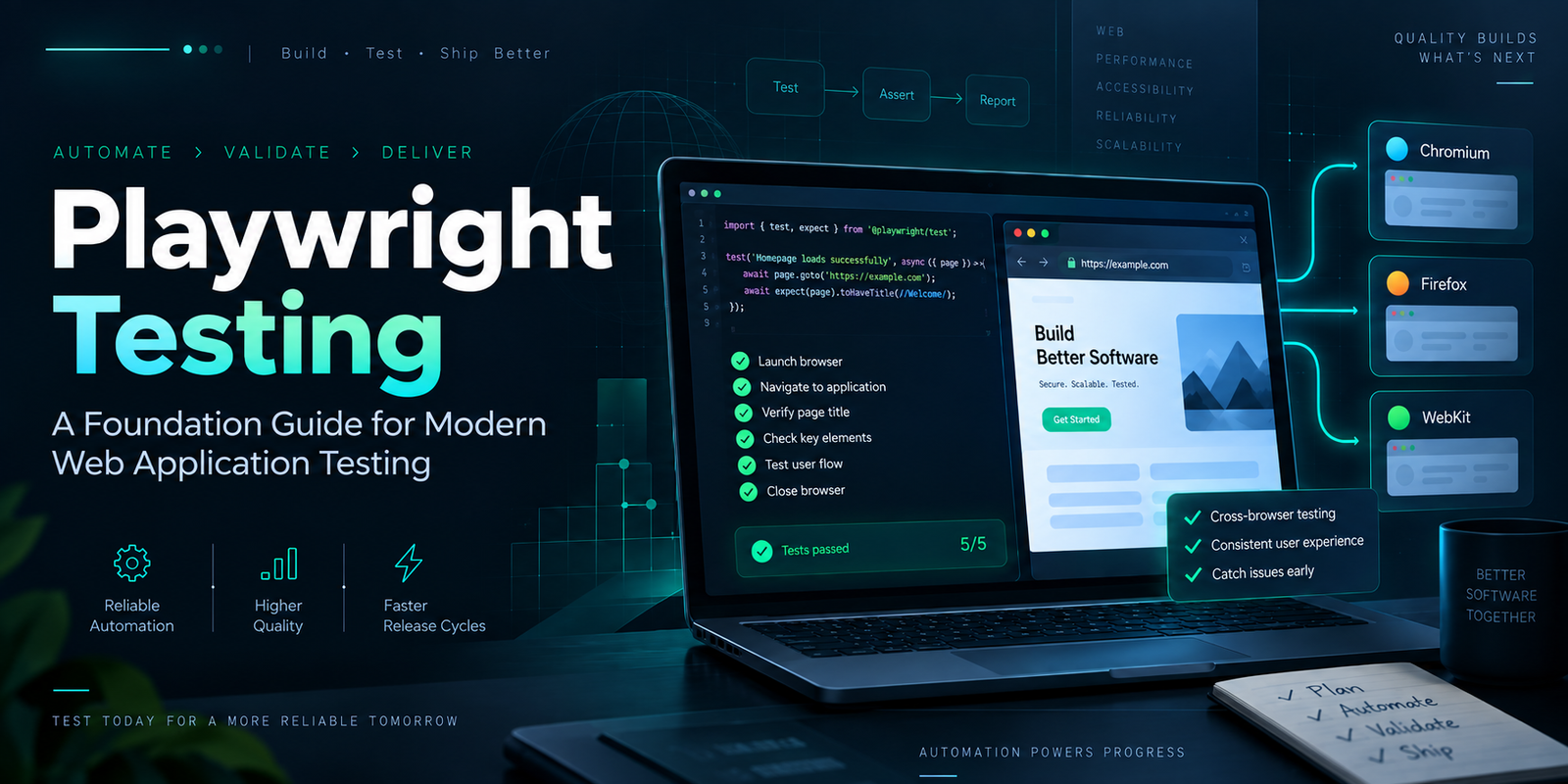
Learn what Playwright testing is, why modern QA teams use it, how testers can get started, and the major types...
7 min read · Sep 19, 2026

Learn how Kubernetes Deployments and ReplicaSets work with practical YAML, scaling, self-healing, rolling upda...
7 min read · Sep 17, 2026
Learn Kubernetes security best practices with RBAC, Secrets, ServiceAccounts, Pod securityContext, NetworkPoli...
6 min read · Sep 17, 2026Related articles

Learn Kubernetes security best practices with RBAC, Secrets, ServiceAccounts, Pod securityContext, NetworkPoli...
6 min read · Sep 17, 2026
Learn Docker security best practices for images, containers, users, secrets, registries, scanning, least privi...
2 min read · Sep 17, 2026
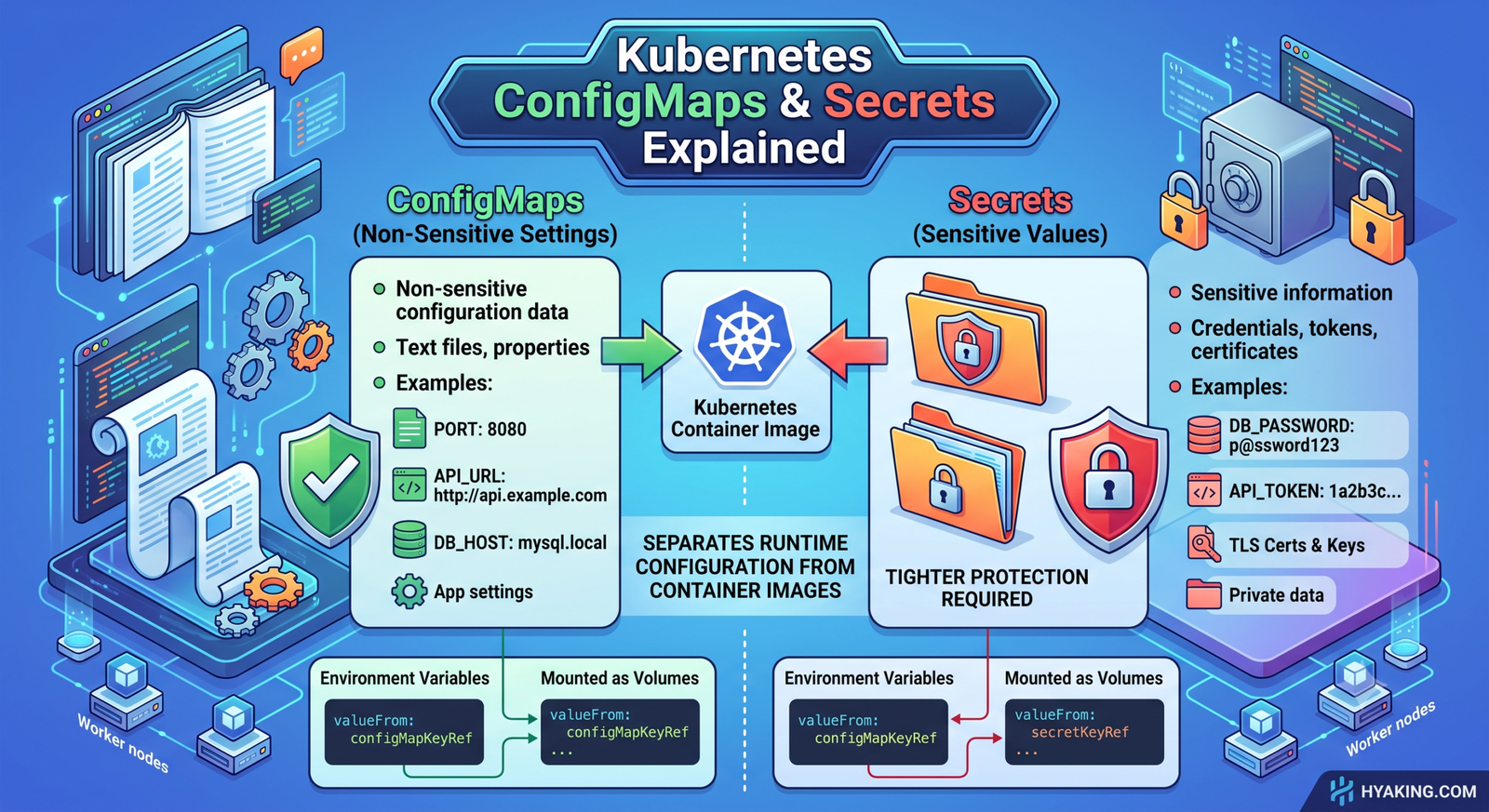
Learn Kubernetes ConfigMaps and Secrets with YAML, environment variables, file mounts, update behavior, immuta...
8 min read · Sep 17, 2026
Troubleshoot Kubernetes issues including Pending Pods, CrashLoopBackOff, ImagePullBackOff, service routing, in...
7 min read · Sep 17, 2026Stay in the loop. Get new Melochip articles
Receive Melochip article updates when new articles are available. Explicit opt-in only.
No comments yet. Start the discussion.